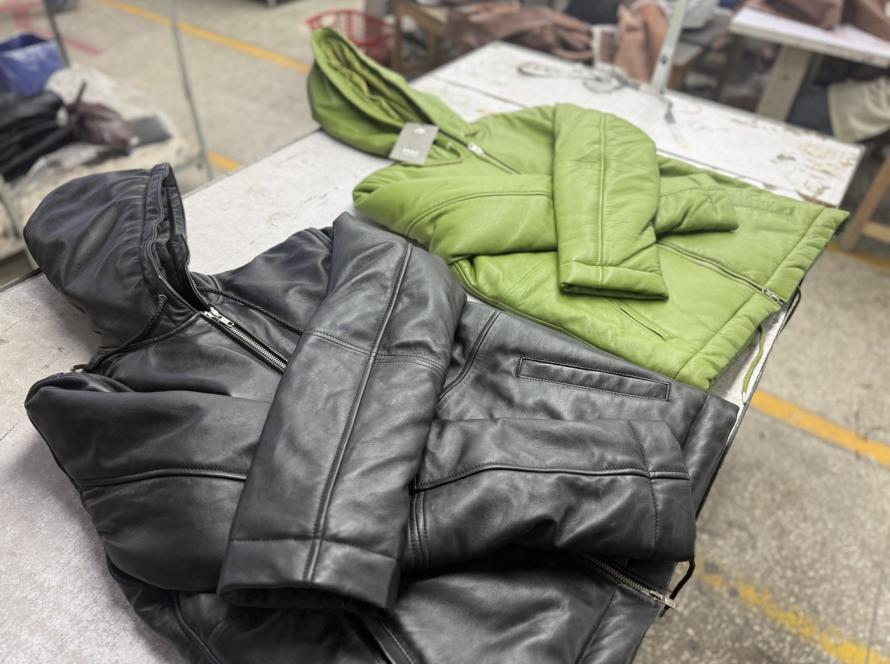

A leather jacket cut and stitched in Pakistan enters the European Union and the United Kingdom at 0% import duty. The same jacket made in China pays the standard tariff, which runs to roughly 4% on leather apparel and as much as 12% once you move into textile-lined or blended categories. For a brand ordering at volume, that gap often decides whether a margin works. It exists because of two trade schemes: the EU’s GSP+ and the UK’s Developing Countries Trading Scheme. This guide explains how duty-free leather from Pakistan actually works, what we have to do for you to claim it, and where the real savings sit.
What is GSP+, and why does Pakistan qualify?
GSP+ is the enhanced tier of the European Union’s Generalised Scheme of Preferences. Pakistan has been a beneficiary since 1 January 2014 and remains the scheme’s largest single user. In practice it removes import duty on around two-thirds of EU tariff lines, leather goods included, so more than 85% of Pakistan’s exports reach the EU free of duty and quota.
The access is conditional, not automatic. To hold GSP+, Pakistan has to ratify and effectively implement 27 international conventions covering human and labour rights, environmental protection and good governance, and the EU reviews compliance every two years. For a buyer, the useful point is that the same scheme lowering your duty also ties the country to a monitored set of labour and environmental standards.
What is the UK DCTS, and how is it different?
After Brexit the UK built its own scheme. The Developing Countries Trading Scheme replaced the UK’s earlier preferences in June 2023, and it placed Pakistan in the Enhanced Preferences tier. Under it, around 94% of Pakistani goods enter the UK duty-free, with simpler rules of origin than the scheme it replaced.
So the two markets work through two doors. Goods heading to the EU claim 0% under GSP+. Goods heading to Great Britain claim 0% or near-0% under the DCTS. The effect for leather jackets, bags and accessories from Pakistan is the same on both sides: no tariff at the border, provided the paperwork is right.
How much does duty-free access actually save you?
The saving is the tariff you would otherwise pay, so it scales with order value and product type. The table below shows the standard, most-favoured-nation duty a buyer pays when there is no preference, against the rate on Pakistani goods under GSP+ or the DCTS.
| Product | HS code | Standard EU/UK duty | From Pakistan |
|---|---|---|---|
| Leather jackets and apparel | 4203 | around 4% | 0% |
| Leather bags and holdalls | 4202 | 3% to 9.7% | 0% |
| Textile-shelled or blended garments | 61 to 63 | up to 12% | 0% |
A worked example makes it concrete. On a £40,000 shipment of leather jackets, 4% duty is £1,600. Under GSP+ or the DCTS that becomes £0. Place that order four times in a year and you keep £6,400 that would otherwise go to customs. On bags, where the standard rate can reach 9.7%, the same logic returns more. Rates depend on the exact classification and destination, so confirm the line that applies to your product before you build it into a costing.
What do we have to do for you to claim 0% duty?
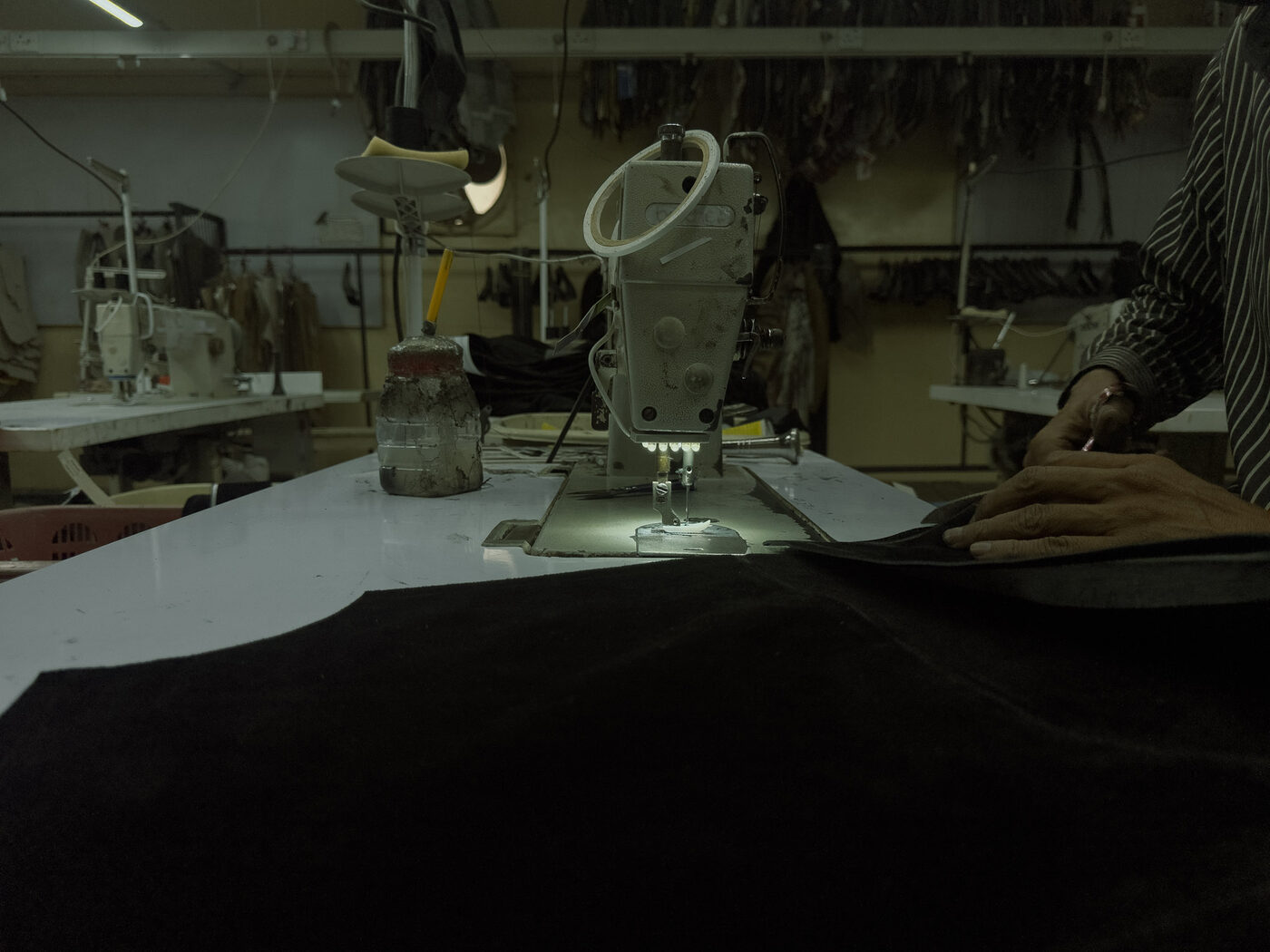
The preference is not granted simply because a factory is in Pakistan. The goods have to satisfy rules of origin, which means enough of the manufacturing value has to be created here. For leather garments that is straightforward when the product is cut, stitched and finished in Pakistan from qualifying materials, which is how we produce.
The claim then rests on documentation. The EU expects a statement on origin from a registered exporter under the REX system. The UK DCTS accepts an origin declaration. We hold the registrations and issue the origin paperwork your customs broker needs, alongside the commercial invoice and packing list, so the preference can be claimed at import.
This is where a factory that subcontracts cutting or stitching to third parties can create problems, because origin becomes harder to evidence. We run design, sampling, cutting, stitching, finishing and quality control end to end at our facility in Karachi, so the origin of what we ship is unambiguous.
How does Pakistan compare with China, India and Turkey?
China holds no equivalent preference into the EU or UK, so brands importing from China pay the standard tariff in full. India sits on the EU’s standard GSP rather than GSP+, and several textile and leather lines have graduated out of it, which pushes many products back towards the full rate. Turkey reaches the EU duty-free through the EU customs union, but its labour costs sit well above ours.
The honest reading is that Pakistan’s advantage over China is the clearest, because it combines a 0% duty position with competitive production cost. Against countries that also enjoy preferential access, the edge is the two together rather than the tariff alone. We cover the full picture in our guide to why Pakistan is a sensible base for leather manufacturing.
Does duty-free access mean lower quality?
No, and the schemes point the other way. GSP+ is tied to the enforcement of labour, environmental and governance conventions, so the access depends on standards being met rather than cut. Quality is decided by the factory, not the tariff line.
Our primary material is sheepskin, which we understand at the level of hand-feel, grain and drape, and we run quality control at the cutting, stitching and finishing stages rather than only at final inspection. The duty position lowers your landed cost. The workmanship is a separate promise, backed by 25 years and three generations of production in Karachi.
Common questions about duty-free leather from Pakistan
Do I claim the duty preference, or does my supplier?
You claim it, as the importer of record, at your border. Your supplier’s job is to make the goods qualify and to provide the origin documentation that supports the claim, which we do.
Is GSP+ or the DCTS permanent?
Neither is guaranteed for ever. Both are conditional and reviewed. Pakistan has held GSP+ since 2014 and sits in the DCTS Enhanced tier, so the arrangement has been stable, but it is worth building a small buffer into long-range costings rather than assuming 0% for a decade.
Does it cover bags and accessories as well as jackets?
Yes. Leather apparel falls under HS 4203 and leather bags under HS 4202, and both are covered. Gloves, belts and small leather goods qualify on the same basis.
What about importing to the United States?
The US operates different rules, and leather apparel does not generally receive the same duty-free treatment there, so a US importer should expect to pay the applicable tariff. The 0% position described here applies to the EU and the UK.
See the benefit in your unit cost
The clearest way to judge the advantage is to see it inside a real quote rather than a table. Send us your tech pack and we will return a landed-cost quotation within 48 hours, set out for your market, with the duty position shown so the 0% benefit appears in your unit economics. You can also review our wholesale leather jacket production or our private label and OEM service to see how a first order takes shape.