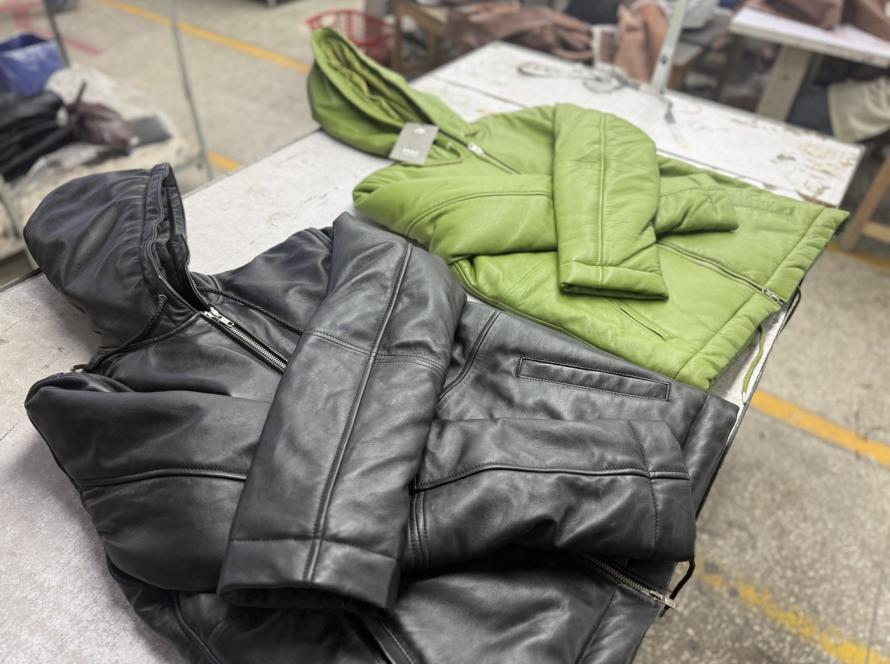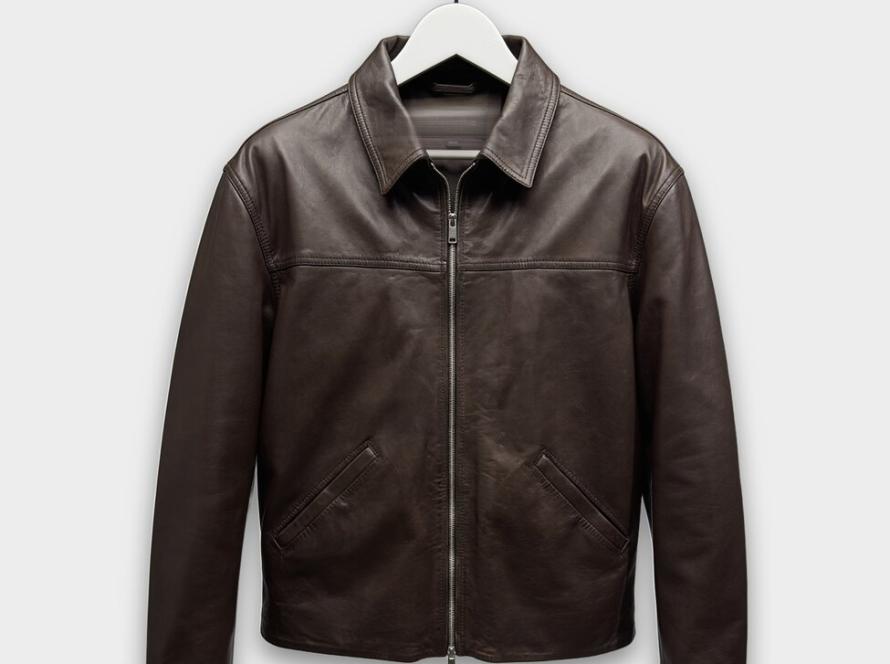

A bad manufacturer does not just deliver bad jackets. They deliver late, go silent during production, ship goods that do not match the approved sample, and leave you explaining to your customers why their order is delayed or substandard. The cost of choosing the wrong partner is not the wasted deposit. It is the brand damage, the lost season, and the months you spend finding a replacement while your competitors sell.
We have been manufacturing wholesale leather jackets in Karachi for over 25 years, across three generations. We have seen buyers burned by trading houses posing as factories, by factories that underbid and then cut corners, and by middlemen who add markup without adding value. This guide gives you 10 specific verification points to evaluate any leather jacket manufacturer before you commit. We use our own processes as examples throughout, not as a sales pitch, but because concrete examples are more useful than abstract advice.
1. Do they actually own a factory?
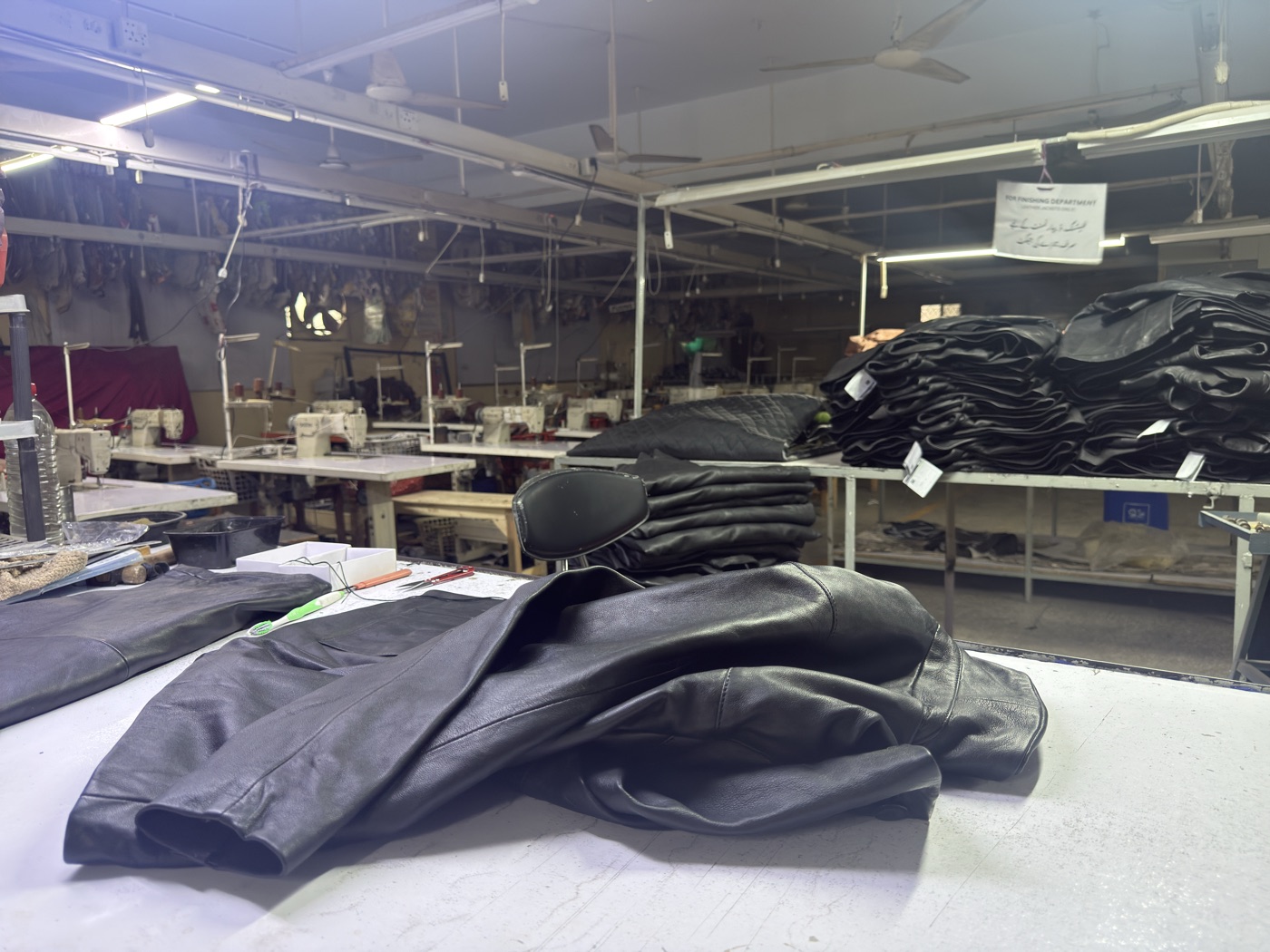
This is the single most important question and the one most buyers fail to ask. The leather garment industry is full of trading houses, export companies, and agents who present themselves as manufacturers but do not own production facilities. They take your order, subcontract it to the cheapest available factory, add their margin, and have limited control over quality or timelines.
How to verify
- Ask for the factory address and request photos of the production floor, cutting room, and finishing area. A real factory will have these readily available.
- Request a video call or virtual tour. Trading houses cannot show you “their” factory on demand.
- Check business registration documents. In Pakistan, the factory should be registered with the Pakistan Tanners Association (PTA) or the relevant chamber of commerce. In India, look for MSME registration or factory licence.
- Ask who does the cutting and stitching. If the answer involves vague references to “partner factories” or “our network,” you are likely dealing with a middleman.
Our facility at S/3 Allana Road, Karachi houses our cutting room, stitching floor, finishing department, and QC station under one roof. We welcome in-person visits and provide virtual tours to international clients who cannot travel.
2. What certifications and compliance standards do they hold?
Certifications are not vanity badges. They are evidence that a manufacturer meets verifiable standards for product safety, environmental responsibility, and labour practices. The certifications that matter for leather jacket manufacturing:
- REACH compliance: Mandatory for selling in the EU. REACH restricts over 200 chemical substances in finished goods, including heavy metals in dyes, formaldehyde in tanning agents, and AZO dyes that can release carcinogenic amines. If your manufacturer cannot confirm REACH compliance, you cannot legally sell in Europe.
- AZO-free dyes: AZO dyes are a subset of REACH but important enough to verify separately. Certain AZO dyes break down into aromatic amines that are classified as carcinogenic. The EU restricts these under Regulation (EC) No 1907/2006, Annex XVII, Entry 43.
- Leather Working Group (LWG): An environmental audit protocol for tanneries. LWG certification (Gold, Silver, or Bronze) confirms that the tannery meets standards for water use, energy consumption, chemical management, and waste treatment. Ask your manufacturer which LWG-rated tanneries they source from.
- ISO 9001: Quality management system certification. Not leather-specific but demonstrates that the factory has documented processes and regular audits.
- SA8000 or BSCI: Social accountability standards covering labour rights, working hours, wages, and workplace safety.
- OEKO-TEX Standard 100: Tests finished products for harmful substances. Relevant for linings, interlinings, and other textile components of the jacket.
We supply REACH-compliant, AZO-free products as standard. Our tannery partners hold LWG ratings, and we can provide test certificates on request for any batch.
3. What does their quality control process look like?
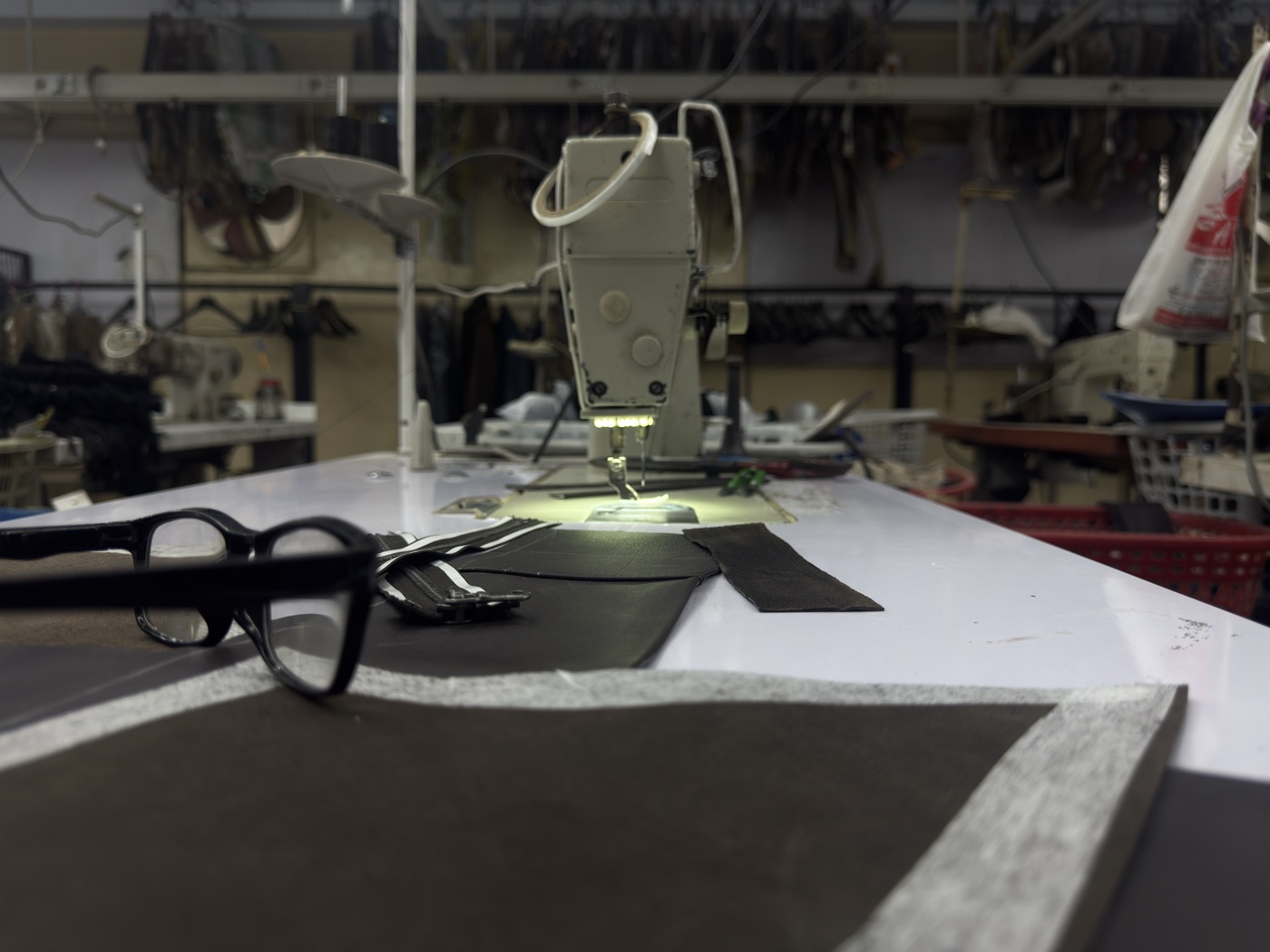
Ask the manufacturer to describe their QC process in detail. A serious operation runs quality checks at multiple stages, not just a final inspection before packing. Here is what a robust QC process looks like:
- Incoming material inspection: Every hide checked for defects (scars, insect bites, uneven dye, thin spots) before it enters the cutting room. Hides graded and sorted by colour consistency and thickness.
- Post-cutting check: Pattern pieces verified against specifications. Symmetry checked. Any defective cuts rejected before they reach the stitching floor.
- In-line stitching inspection: A QC inspector reviews work at the stitching stage. Stitch count per inch, seam allowance, alignment, and puckering are checked during assembly, not after.
- Post-stitching / finishing check: Complete jacket measured against size chart (tolerance +/- 1 cm). Hardware function tested: zips opened and closed, snaps engaged and released, buckles checked for sharp edges. Lining inspected for bunching or misalignment. Overall symmetry and appearance evaluated.
- Final pre-packing inspection: Thread trimming, edge finishing, conditioning, label placement, and packaging quality all confirmed before the jacket is wrapped.
If a manufacturer’s answer to “What is your QC process?” is “We check everything before shipping,” that is not a process. That is a single checkpoint, and it means defects caught at the end require expensive rework or, worse, get shipped to you.
4. What is their MOQ and how flexible are they?
Minimum order quantity reveals a lot about a factory’s scale, flexibility, and willingness to work with growing brands. Typical ranges across the industry:
| Factory Type | Typical MOQ Per Style |
|---|---|
| Large Chinese factories | 200–500 |
| Mid-size Indian/Turkish factories | 100–300 |
| Specialist low-MOQ workshops | 10–25 (at 30–50% price premium) |
| Mac Leather (Karachi) | 40 per style per colour |
A manufacturer with an MOQ of 50 pieces at competitive pricing (not inflated to compensate for small runs) signals that they have optimised their production for flexibility. This matters enormously if you are a startup testing designs, a capsule brand with curated collections, or an established brand running seasonal test colours.
Read our detailed breakdown in Understanding MOQ in Leather Jacket Manufacturing.
5. Can they produce a sample, and how good is it?
Every reputable manufacturer will produce a pre-production sample before bulk. The sample phase tells you everything about what your bulk order will be. Here is what to evaluate:
- Willingness: Any manufacturer who pressures you to skip sampling is a red flag. Leather is expensive, mistakes are costly, and the sample is your insurance policy.
- Turnaround time: 7 to 14 days is reasonable for a leather jacket sample. We deliver samples in 7 to 10 days from confirmed specifications. Significantly longer timelines may indicate capacity problems or the need to subcontract.
- Cost: Expect to pay $100 to $250 for a leather jacket sample. This covers the leather, hardware, labour, and shipping. Free leather samples should raise questions about where the cost is being absorbed (hint: usually in quality).
- Accuracy: Does the sample match your tech pack or reference images? Are the measurements within tolerance? Is the leather type, weight, and colour what you requested? A manufacturer who cannot get the sample right will not get the bulk order right.
- Revision willingness: One to two rounds of sample corrections are standard. A good manufacturer treats corrections as normal, not as an inconvenience.
6. How responsive is their communication?
You will work with your manufacturer for months or years. Communication quality is as important as production quality because poor communication causes production errors.
- Response time: Within 24 hours on business days is the minimum standard. If a manufacturer takes five days to reply during the quoting phase when they are trying to win your business, imagine how responsive they will be during production when they already have your deposit.
- Language clarity: Can they discuss technical garment specifications in English (or your working language) without persistent misunderstandings? Can they read a tech pack?
- Proactive updates: A good manufacturer flags potential issues before they become problems. “The leather colour you requested is slightly different from the approved swatch. Shall we proceed or wait for the next batch?” That kind of communication saves you from receiving 200 jackets in the wrong shade.
- Dedicated contact: You should have a named account manager, not a rotating cast of salespeople who need to be briefed each time.
7. What export documentation can they provide?
International leather trade requires specific documentation. A manufacturer experienced in exporting should be able to provide:
- Certificate of Origin (CO): Required to claim preferential duty rates. For Pakistan-made goods entering the EU or UK under GSP+, the CO confirms Pakistani origin.
- Commercial invoice and packing list: Standard for customs clearance.
- Bill of lading or airway bill: Shipping documentation.
- GSP Form A (or REX statement): Specific to GSP+ beneficiary countries. This is the document that secures your 0% duty rate into the EU.
- REACH/AZO test certificates: Laboratory test results confirming chemical compliance for the specific batch.
- Phytosanitary or fumigation certificates: Required by some countries for goods shipped in wooden pallets or crates.
If a manufacturer looks confused when you ask about GSP Form A or REACH certificates, they either do not export regularly or do not export to regulated markets. Either way, that is a concern.
8. Does their country of origin offer a duty advantage?
The country where your jackets are manufactured directly affects the import duty you pay, which affects your landed cost and your margins. Here is the current duty landscape for leather jackets entering the EU and UK:
| Country of Manufacture | EU Import Duty | Notes |
|---|---|---|
| Pakistan | 0% | GSP+ beneficiary since January 2014 |
| Turkey | 0% | EU customs union |
| China | 4% MFN | Standard tariff |
| India | 4% MFN | Standard tariff (no active EU trade deal as of 2026) |
| Vietnam | Varies | EU-Vietnam FTA provides reduced rates for qualifying goods |
Pakistan’s 0% GSP+ duty rate into both the EU and UK is a meaningful cost advantage. On a $50,000 shipment, a 4% duty saving is $2,000 that goes straight to your margin. Over a year of regular ordering, this adds up substantially. Pakistan exported approximately $683.5 million in leather and leather products in FY2024-25, and duty-free access is a significant driver of that volume.
9. What is their production capacity and can they scale with you?
Your first order might be 50 or 100 jackets. If your brand succeeds, your fifth order might be 500 or 1,000. You need a manufacturer who can handle both.
- Current capacity: Ask how many leather jackets they produce per month. Cross-reference this with their claimed client list. If they say they produce 2,000 jackets per month but claim to serve 30 active brands, the maths should work out.
- Peak season handling: Ask what happens to lead times during their busiest months (typically July to October for autumn/winter production). Do they bring in additional staff? Do lead times extend? By how much?
- Scaling path: Ask what happens when you want to double your order. Can they accommodate it within the same lead time? Do they need advance notice? Many of our clients started at our 50-piece minimum and now order 500 or more per style per season. We plan capacity allocation for scaling clients in advance.
10. Can they provide references from current clients?
A confident manufacturer shares references willingly. A evasive one makes excuses about confidentiality (while some NDAs are genuine, a complete refusal to provide any reference is a warning sign).
What to ask references
- How long have you been working with this manufacturer?
- Has the quality been consistent across orders?
- Have they ever missed a delivery deadline? If so, how did they handle it?
- How do they deal with defects or quality issues?
- Would you recommend them?
Also review the manufacturer’s portfolio of completed work. Photos of finished jackets tell you about construction quality, finishing standards, and the types of brands they serve. If their portfolio matches the quality level you are targeting, that is a strong indicator of fit.
A checklist you can use today
Before committing to any manufacturer, score them against these 10 points:
| # | Verification Point | Pass / Fail |
|---|---|---|
| 1 | Owns their own factory (not a trading house) | |
| 2 | Holds relevant certifications (REACH, AZO-free, LWG tannery partners) | |
| 3 | Multi-stage QC process (not just final inspection) | |
| 4 | Reasonable MOQ for your business stage | |
| 5 | Produces quality samples within 14-28 days | |
| 6 | Responds within 24 hours, communicates clearly | |
| 7 | Can provide full export documentation | |
| 8 | Country of origin offers a duty advantage | |
| 9 | Has capacity to scale with your growth | |
| 10 | Provides client references and a strong portfolio |
A manufacturer who passes all 10 is worth investing in. A manufacturer who fails on two or three may still be workable if those gaps are minor. A manufacturer who fails on factory ownership, certifications, or QC process is not worth the risk at any price.
Want to see how we measure up against this list? Request a private label consultation and we will walk you through our factory, our processes, and our certifications. Email info@macleatherco.com or call +44 7733 077 341 (UK) / +92 332 2121 282 (Pakistan) to start the conversation.