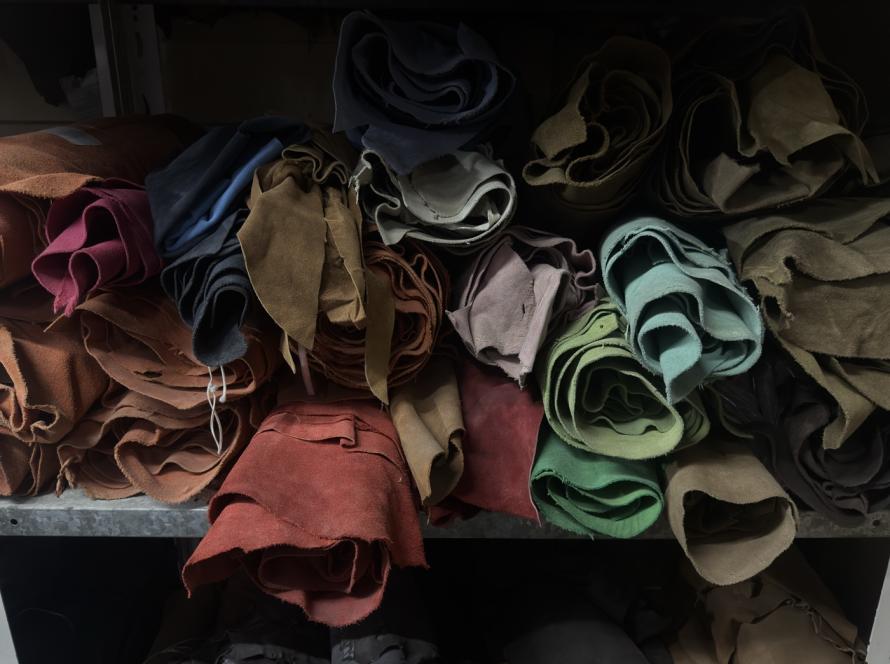

The leather you choose determines everything about the finished jacket: the hand-feel, the drape, the weight on the hanger, the durability over years of wear, and the price your customers will pay. For wholesale buyers and brand owners, this is not an aesthetic decision alone. It is a commercial one.
The two materials that account for the majority of leather jacket production worldwide are sheepskin and cowhide. At Mac Leather, we work with both daily across our wholesale leather jacket production in Karachi, and after 25 years and three generations in this industry, we have a clear picture of where each material excels and where it falls short.
This guide covers the real material properties, practical trade-offs, and sourcing implications of sheepskin versus cowhide, so you can make the right call for your next collection.
What is sheepskin leather?
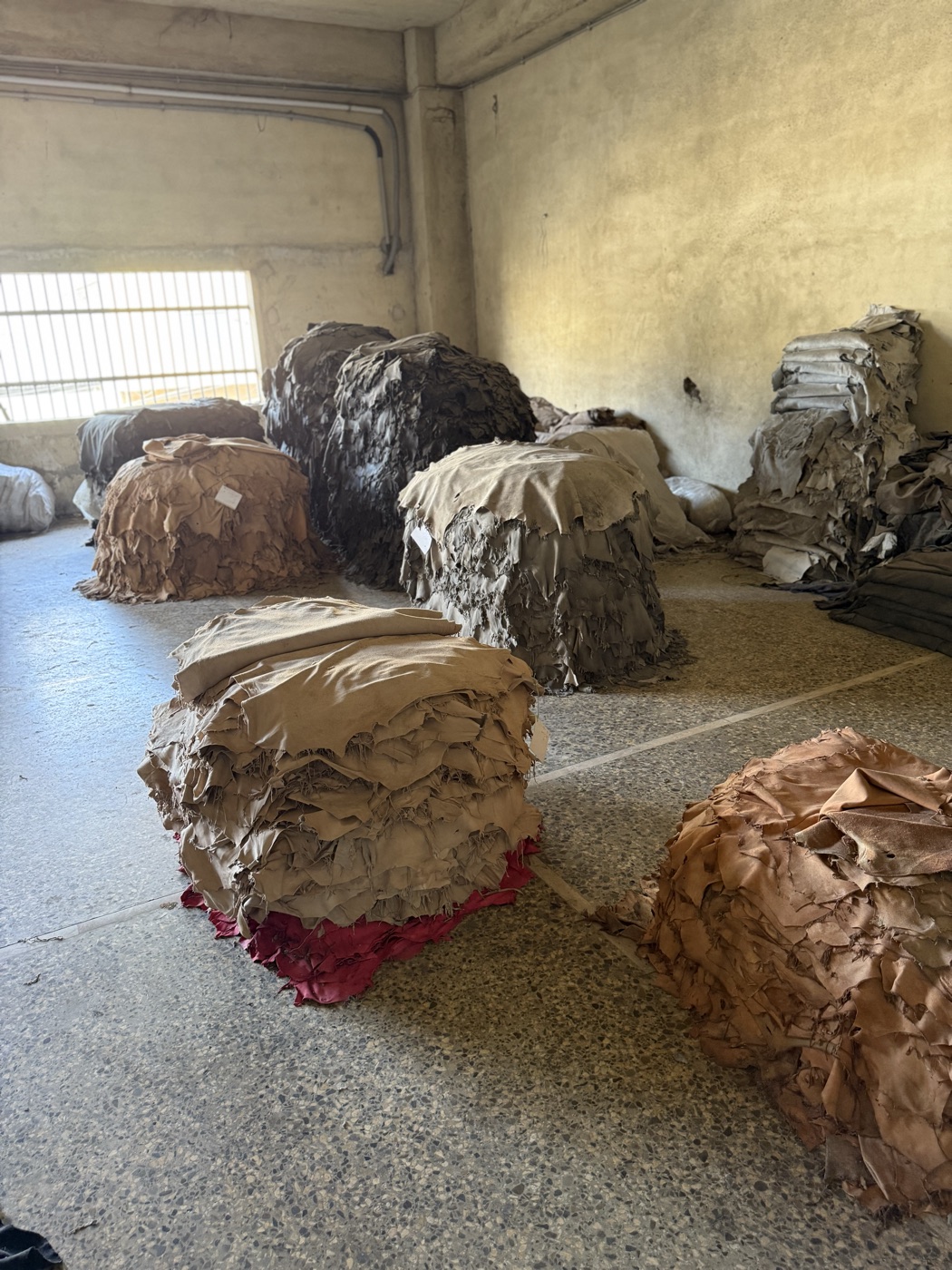
Sheepskin is the hide of an adult sheep, chrome-tanned and finished for garment use. It is the primary leather used in fashion jacket production across Pakistan, which has a sheep population of over 33 million animals according to the 2024-25 Economic Survey. The country’s tanneries process sheepskin in enormous volumes, making it both readily available and competitively priced.
Sheepskin sits in a sweet spot that makes it the workhorse of the leather jacket industry. It is softer and lighter than cowhide, with a fine, even grain that takes dye beautifully. It has enough body to hold structure in a jacket, but enough give to drape naturally and conform to the wearer’s body within the first few wears.
Key properties of sheepskin
- Thickness: 0.6 to 1.0 mm, depending on the grade and finish. This range is ideal for most jacket styles, from bombers to cafe racers.
- Weight per jacket: Approximately 1.2 to 2.0 kg for a standard jacket, making it comfortable for all-day wear.
- Grain: Fine, consistent, and smooth. Sheepskin has a tighter grain pattern than goatskin but is less pronounced than cowhide.
- Drape: Excellent. Sheepskin moves with the body rather than holding a rigid shape.
- Elasticity: Naturally elastic due to the structure of the fibres, which gives sheepskin its characteristic supple feel.
- Breathability: Good. The hollow fibre structure of sheepskin provides natural temperature regulation, keeping the wearer comfortable in both warm and cool conditions.
- Durability: Moderate to good. Sheepskin is more scratch-prone than cowhide, but with proper finishing and care, a well-made sheepskin jacket will last 10 to 15 years of regular wear.
What is cowhide leather?
Cowhide comes from adult cattle and is the most widely used leather type in the world across all product categories, from footwear to automotive upholstery. For jackets specifically, cowhide delivers a heavier, more structured garment with significantly greater resistance to abrasion and physical damage.
Pakistan processes substantial quantities of cowhide from its cattle population of approximately 59.7 million head. However, cowhide is also commonly sourced from South America and other regions, depending on grade requirements.
Key properties of cowhide
- Thickness: 1.0 to 1.4 mm for garment-weight cowhide. Heavier grades (1.4 to 2.0 mm) are used for motorcycle jackets and workwear.
- Weight per jacket: Approximately 2.0 to 3.5 kg, noticeably heavier on the body than sheepskin.
- Grain: Pronounced, with a more textured surface that develops visible character as it ages.
- Drape: Stiffer. Cowhide holds its shape and requires a break-in period of several weeks before it moulds to the wearer.
- Elasticity: Low. Cowhide stretches minimally, which contributes to its structured feel but also means the jacket must be cut accurately to size.
- Breathability: Moderate. The denser fibre structure reduces airflow compared to sheepskin.
- Durability: Excellent. Cowhide resists scratches, scuffs, abrasion, and moisture. A well-maintained cowhide jacket can last 20 to 30 years.
How do sheepskin and cowhide compare side by side?
| Property | Sheepskin | Cowhide |
|---|---|---|
| Thickness | 0.6 – 1.0 mm | 1.0 – 1.4 mm |
| Weight per jacket | 1.2 – 2.0 kg | 2.0 – 3.5 kg |
| Softness (out of the box) | Soft, supple, immediate comfort | Firm, structured, requires break-in |
| Grain character | Fine, even, smooth | Pronounced, textured, develops patina |
| Drape | Fluid, conforms to body | Structured, holds shape |
| Scratch resistance | Low to moderate | High |
| Abrasion resistance | Moderate | Excellent |
| Break-in period | Minimal (1 – 3 wears) | Weeks to months |
| Lifespan with care | 10 – 15 years | 20 – 30 years |
| Temperature regulation | Good (hollow fibres) | Moderate |
| Best jacket styles | Bombers, cafe racers, blazers, slim-fit | Bikers, aviators, moto, workwear |
| Price positioning (retail) | Mid to premium ($200 – $600) | Entry to mid ($150 – $450) |
| Manufacturing cost | Higher per sq ft (smaller hides) | Lower per sq ft (larger hides, less waste) |
Which leather is better for which jacket style?
Material choice should follow function and market positioning, not personal preference. Here is how we advise the brands we manufacture for.
Sheepskin works best for:
- Bombers and cafe racers: Styles where a clean drape and lightweight comfort are essential to the design intent.
- Womenswear: The majority of women’s leather jackets we produce are in sheepskin. The lighter weight and immediate softness are consistently preferred.
- Slim-fit and tailored silhouettes: Sheepskin’s thinner profile creates cleaner seams and a more refined overall appearance.
- Fashion-forward brands: If your brand competes on aesthetics and comfort rather than ruggedness, sheepskin is the natural choice.
- Layering pieces: The lower weight means customers can wear the jacket over knitwear or blazers without feeling burdened.
Cowhide works best for:
- Biker and moto jackets: The stiffness of cowhide holds lapels, epaulets, and belt details in shape. This is both functional (for riders) and aesthetic.
- Workwear and heritage brands: Cowhide’s grain character and aging properties align with brands that value patina, durability, and a “lived-in” look.
- Entry-level pricing: Larger cowhides produce less waste during cutting, which, combined with lower per-square-foot costs, makes cowhide the more economical option for price-competitive collections.
- Menswear with heavy hardware: Jackets loaded with zips, buckles, and studs benefit from cowhide’s structural integrity.
Where does lambskin fit in?
Lambskin, the hide from sheep under one year of age, sits above sheepskin as a premium tier option. It is thinner (0.5 to 0.8 mm), softer, and has an even finer grain than adult sheepskin. Lambskin is the material of choice for luxury brands pricing jackets above $500 at retail.
We offer lambskin as part of our custom jacket programme, but it is important to understand the trade-offs: lambskin is more delicate, more expensive per square foot, and the smaller hide size increases waste during cutting. For the majority of wholesale buyers producing mid-range collections, sheepskin delivers the closest feel to lambskin at a significantly lower cost.
How does leather choice affect your cutting yield?
This is a factor many first-time buyers overlook. A standard sheepskin yields approximately 5 to 7 square feet of usable leather. A standard cowhide yields 40 to 50 square feet. A single leather jacket requires roughly 15 to 20 square feet of material, depending on the style.
This means a single cowhide can produce two to three jackets, while a sheepskin requires three to four hides per jacket. The additional cutting, sorting, and colour-matching work involved in sheepskin production contributes to higher manufacturing costs even when the raw material price per square foot is comparable.
How do care requirements differ for sheepskin and cowhide jackets?
As a wholesale buyer, you should understand the care profile of each material because it influences customer satisfaction, return rates, and the guidance you provide to your retail partners.
Sheepskin care: Sheepskin jackets should be stored on wide, padded hangers in a cool, dry environment away from direct sunlight, which can fade the colour over time. The leather should be conditioned with a quality leather balm every 6 to 12 months to maintain its suppleness. Sheepskin is more susceptible to water marking than cowhide, so customers should be advised to avoid heavy rain or treat the jacket with a waterproofing spray. Minor scratches can often be rubbed out by hand due to sheepskin’s natural oils.
Cowhide care: Cowhide is considerably more forgiving. It handles daily wear, light rain, and minimal maintenance without significant deterioration. The same conditioning advice applies (every 6 to 12 months), but cowhide is far less likely to suffer from casual neglect. Its thicker structure and tighter grain provide natural resistance to the kind of surface damage that would mark sheepskin.
For brands selling through channels where after-sale support is limited, such as marketplaces or wholesale to independent retailers, cowhide’s lower care requirements reduce the risk of dissatisfied customers. If your brand offers a premium, hands-on customer experience with detailed care guidance, sheepskin rewards that investment with a tactile quality that cowhide simply cannot match.
How should you choose between sheepskin and cowhide for your line?
Consider these practical questions:
- What is your target retail price? If you are aiming below $250, cowhide gives you more margin. Above $300, sheepskin’s premium feel justifies the cost.
- Who is your customer? Fashion buyers prioritise softness and drape. Durability-focused buyers (riders, outdoor enthusiasts) want cowhide.
- What styles are you producing? Match the material to the design. Forcing sheepskin into a heavy biker silhouette or cowhide into a drapey bomber works against the material’s strengths.
- Are you selling online or in-store? In-store, customers can touch the leather. Online, you need to communicate the difference through photography and copy. Sheepskin photographs with a smoother, more luxurious surface. Cowhide shows more grain texture and character.
Many brands we work with offer the same style in both materials: a sheepskin version at a premium tier and a cowhide version as an accessible entry point. This doubles the range without doubling the design investment.
How we work with both materials at Mac Leather
We source sheepskin and cowhide directly from tanneries in the Korangi industrial area of Karachi, where approximately 250 tanning units operate within a concentrated cluster. This proximity gives us same-day access to material, the ability to request custom finishes and colourways, and direct quality oversight at the tanning stage.
Our private label programme allows you to specify the exact leather type, thickness, finish, and colour for every order. We provide pre-production samples in your chosen material so you can evaluate the hand-feel, drape, and weight before committing to bulk production. Our minimum order quantity is 50 pieces per style per colour.
Need help choosing between sheepskin and cowhide for your collection? Request a free leather swatch kit with samples of both materials in multiple finishes. Email us at info@macleatherco.com or call +44 7733 077 341 (UK) / +92 332 2121 282 (Pakistan) to discuss your requirements directly.