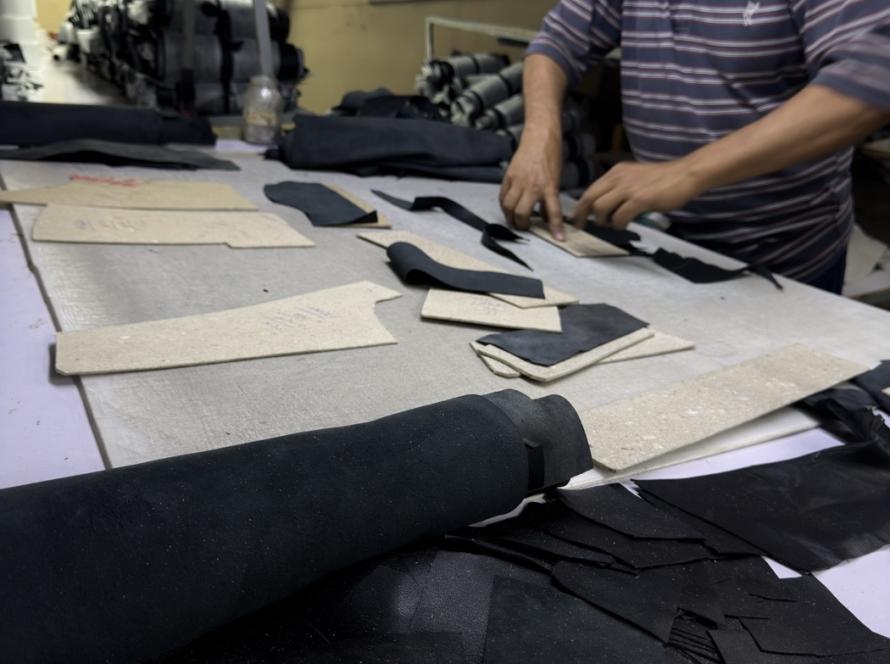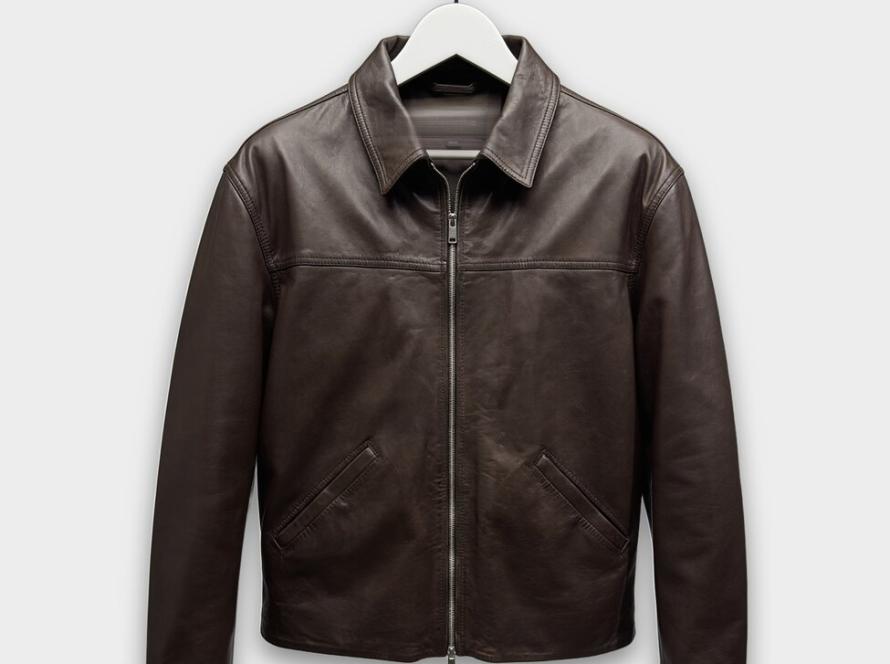

Launching a leather jacket brand has never been more accessible. Low minimum order quantities, direct-to-consumer sales channels, and experienced manufacturers willing to work with emerging brands mean you can go from concept to first shipment without a factory, a fashion degree, or six figures in capital. But “accessible” does not mean “easy.” The brands that succeed are the ones that understand the costs, timelines, and decisions involved before they commit their first pound or dollar.
We have helped dozens of entrepreneurs and established retailers launch leather jacket lines through our private label programme over the past 25 years. This guide covers every step of the process with real numbers drawn from our experience.
What does private label actually mean for leather jackets?
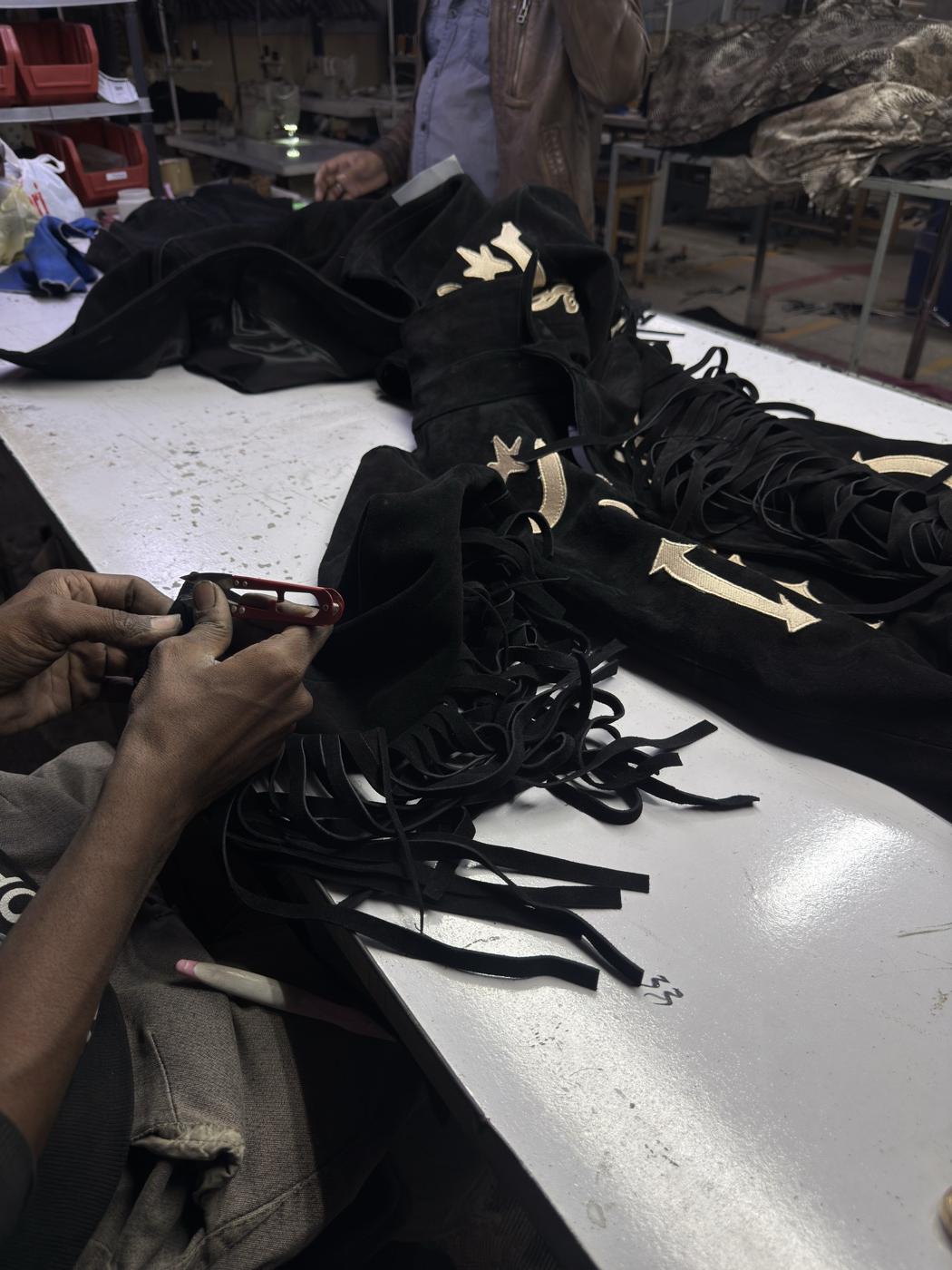
Private label means a manufacturer produces jackets to your specification, branded with your label, that you sell under your own brand name. You control the design, branding, pricing, and distribution. The manufacturer handles production. This is the model used by the majority of leather jacket brands on the market, including many well-known names that do not own a single sewing machine.
The alternative models are worth understanding for context. White label means you purchase existing, pre-made jackets and simply attach your branding, offering no design customisation. Full production means you own the factory and equipment. Private label sits in the middle: you get design control without the capital expenditure of operating a manufacturing facility.
How much does it actually cost to launch?
Here is a realistic breakdown of first-order costs for a brand launching with two styles in one colour each, at 50 pieces per style (100 jackets total):
| Cost item | Estimated range |
|---|---|
| Samples (2 styles, 1 – 2 rounds of revision) | $200 – $500 |
| Bulk production (100 genuine leather jackets) | $7,500 – $15,000 |
| Custom labels, hangtags, and packaging | $300 – $800 |
| Shipping (sea freight, one 1-CBM shipment to EU/UK) | $400 – $800 |
| Import duty (0% from Pakistan under GSP+/DCTS to EU/UK) | $0 |
| Product photography (10 – 15 images per style) | $500 – $1,500 |
| E-commerce website (Shopify or equivalent) | $500 – $2,000 setup |
| Total first-order investment | $9,400 – $20,600 |
This is a genuine leather jacket brand. PU (faux leather) reduces the production cost dramatically but positions you in a different market entirely.
How do manufacturing costs vary by leather quality?
The leather you choose is the single largest variable in your per-unit cost. Here are the realistic FOB (Free on Board) price ranges per jacket, based on current market rates:
| Material tier | FOB price per jacket | Typical retail price |
|---|---|---|
| PU / faux leather | $15 – $35 | $60 – $150 |
| Genuine leather (economy grade) | $40 – $75 | $120 – $250 |
| Genuine leather (mid-range sheepskin/cowhide) | $75 – $150 | $250 – $500 |
| Premium leather (lambskin/nappa finish) | $150 – $300 | $450 – $1,000+ |
These prices assume standard construction. Complex designs with heavy hardware, quilted lining, or custom-branded components will add $10 to $30 per jacket.
How do minimum order quantities compare across countries?
MOQ is often the make-or-break factor for a new brand. Here is how the major manufacturing regions compare:
| Country | Typical MOQ | Notes |
|---|---|---|
| Pakistan (Mac Leather) | 50 pcs per style per colour | Among the lowest in the industry for genuine leather. Allows new brands to test designs without overcommitting. |
| China | 100 – 300 pcs | Published MOQs are often inflated as a negotiation starting point. Experienced buyers can sometimes negotiate lower, but quality consistency at low volumes is a known concern. |
| India | 100 – 200 pcs | Strong in leather gloves and small goods; fewer specialised jacket manufacturers compared to Pakistan or Turkey. |
| Turkey | 100 – 500 pcs | Higher quality reputation but significantly higher pricing. Istanbul-based manufacturers tend toward lower MOQs but premium costs ($90 – $150+ FOB). |
At 50 pieces per style per colour, our MOQ means a new brand can launch with as few as 50 jackets total. That is a manageable investment and a practical quantity to test market demand before scaling.
Step 1: Define your brand positioning
Before contacting any manufacturer, answer these questions honestly. They will shape every subsequent decision.
- Who is your target customer? Age, gender, income bracket, lifestyle. A brand targeting 25-to-35-year-old urban professionals makes different design and pricing choices than one targeting motorcycle enthusiasts.
- What retail price range are you targeting? This determines your material tier. If you want to sell at $300 retail, your manufacturing cost needs to be $60 to $90 per jacket to maintain healthy margins.
- What makes your brand distinct? “Quality leather jackets” is not a brand. A specific design aesthetic, a material speciality (e.g. sheepskin only), a target niche (e.g. jackets for petite women), or a brand story (e.g. sustainably sourced) gives you something to build around.
- How many styles will you launch with? We recommend two to four core styles for a first collection. Enough variety to test the market, few enough to manage inventory and cash flow.
Step 2: Find and evaluate a manufacturer
Your manufacturer is the foundation of your brand. The jacket your customer holds in their hands is the manufacturer’s work, bearing your name. Here is what to evaluate:
- Specialisation: Do they make leather jackets specifically, or are jackets a sideline to their main product? A factory that primarily makes bags may accept jacket orders but lack the tailoring expertise for consistent fit and construction.
- Portfolio: Ask to see photos of completed orders. A confident manufacturer will show you their work without hesitation. Browse our portfolio for examples of what finished production looks like.
- Communication: Responsiveness, English proficiency, and clarity. You will be communicating with this team for months. If early exchanges are slow or unclear, production communication will be worse.
- Sampling process: A manufacturer who pushes you to skip sampling and go straight to bulk is a red flag. The sample phase is essential.
- Location: Where the manufacturer is based matters for duty, lead time, and leather supply. Pakistan offers 0% duty to the EU and UK, competitive pricing, and direct access to domestic sheepskin and cowhide.
- References: Ask for the names of brands they have worked with, or at minimum, references from previous buyers.
Step 3: Develop your designs
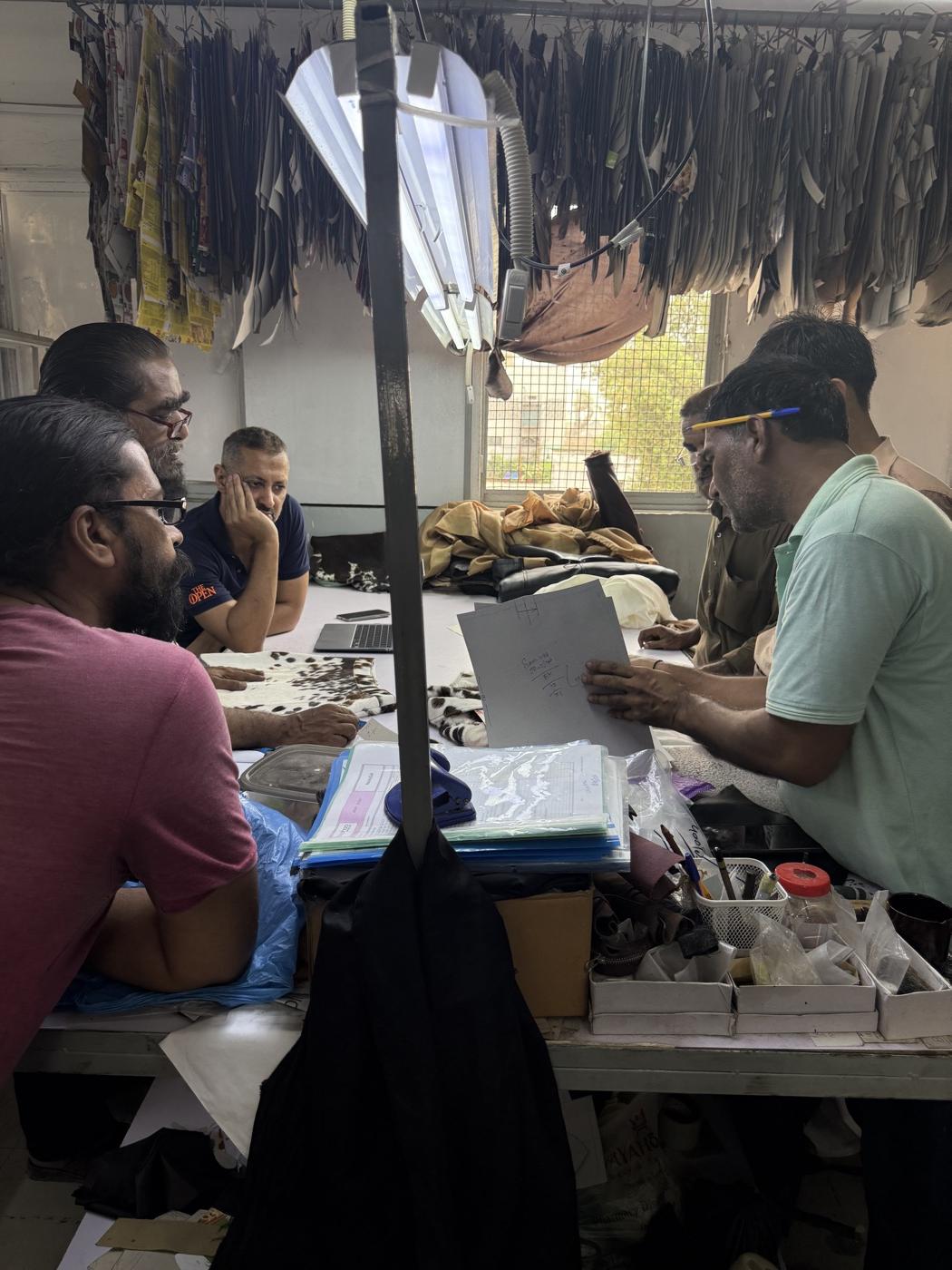
You do not need to be a fashion designer. The three most common approaches:
- Full custom: You provide a detailed tech pack with exact specifications. Best for brands with a strong, distinctive design vision.
- Modified existing: Start from the manufacturer’s existing patterns and modify details: collar shape, pocket style, hardware choices, proportions. This is faster to develop, lower risk, and the most common approach for first-time brands.
- Catalogue selection: Choose from the manufacturer’s existing styles and add your branding. Lowest cost and fastest to market, but less differentiation.
We support all three approaches. Our custom jacket programme includes design consultation to help you refine your vision, regardless of which approach you take.
Step 4: Order and approve samples
Never place a bulk order without first approving a physical sample. A sample lets you evaluate leather quality, construction, fit, hardware function, and overall appearance before committing to production.
Expect to pay for samples: $100 to $250 per jacket, depending on complexity and leather type. This is a cost of doing business, not a negotiable freebie. A manufacturer who provides free leather jacket samples is absorbing that cost somewhere, usually in the quality of the final product.
Sample turnaround at Mac Leather: 14-30 Days from confirmed design.
What to evaluate in your sample:
- Leather hand-feel, weight, and visual quality
- Fit on a model or dress form across the intended size range
- Stitch consistency and quality
- Zipper and snap function
- Lining quality and attachment
- Overall drape and how the jacket sits on the body
Most orders require one to two rounds of sample revisions before final approval. Budget time for this in your launch schedule.
Step 5: Set up your branding
Your brand identity needs to be embedded in the product:
- Main label: Woven or printed label at the back neck. Include brand name and country of manufacture.
- Care label: Required by law in most markets. Must comply with local regulations (FTC in the US, UK labelling standards, EU textile regulation).
- Hangtags: Printed cards that carry your brand story, pricing, or marketing messaging.
- Custom hardware: Engraved zip pulls, branded snaps, or embossed logos on the leather add perceived value and make your product harder to replicate.
- Packaging: Dust bags, branded tissue paper, custom poly bags, or boxes, depending on your price tier and sales channel.
We produce all of these in-house or through trusted local suppliers. Lead time for custom branding materials is typically 2 to 3 weeks alongside production.
Step 6: Place your bulk order
With your sample approved and branding materials confirmed, you place the production order. Key considerations:
- Size ratio: A typical first-order breakdown: 10% Small, 25% Medium, 35% Large, 20% XL, 10% XXL. Adjust based on your market data. If you are selling predominantly online, expect higher return rates on extreme sizes.
- Payment terms: Industry standard is 30% deposit upon order confirmation, 70% balance upon completion before shipping. Some manufacturers offer letter of credit facilities for larger orders.
- Production timeline: 4 to 6 weeks from order confirmation to completion, plus shipping time.
Step 7: Price your jackets
The standard formula for fashion pricing:
- Wholesale price: Manufacturing cost (including shipping and duty) multiplied by 2.0 to 2.5
- Retail price: Wholesale price multiplied by 2.0 to 2.5
Example: If your fully landed cost per jacket (FOB + shipping + duty) is $95, your wholesale price would be $190 to $238, and your retail price would be $380 to $595. If selling direct-to-consumer only, you can apply a single 4x to 5x markup on your landed cost.
Note for EU and UK buyers: leather jackets from Pakistan enter at 0% duty under the EU’s GSP+ scheme and the UK’s DCTS (Developing Countries Trading Scheme). This is a genuine cost advantage over sourcing from China (standard MFN duty applies) and is on par with Turkey’s customs union arrangement with the EU.
Step 8: Build your sales channels
Direct to consumer (highest margin)
A Shopify store with professional product photography is the standard starting point. Leather jackets are a high-consideration purchase, so invest in detailed product pages: multiple angles, close-up texture shots, on-model photography, accurate sizing guides, and clear return policies. Expect 10 to 15% return rates for online leather jacket sales.
Wholesale to retailers (volume)
Approach boutiques and independent retailers with a lookbook and wholesale price list. Trade shows remain the most effective channel for wholesale: MAGIC (Las Vegas), Premiere Vision (Paris), Pure London, and White (Milan) are the key events for leather outerwear.
Marketplaces (discovery)
Amazon, Etsy, and ASOS Marketplace provide traffic and credibility for new brands. Commission fees range from 15 to 30%, which reduces your margin, but the customer acquisition cost is often lower than paid advertising.
What are the most common mistakes new leather jacket brands make?
- Too many styles at launch. We see brands attempt eight to ten styles in their first order. Start with two to four. Prove demand before expanding.
- Skipping samples to save money. Approving production based on photos or verbal descriptions is how you end up with 200 jackets you cannot sell.
- Choosing the cheapest manufacturer. The lowest quote is the lowest quote for a reason. Evaluate quality, communication, and reliability, not just price.
- Ignoring landed costs in pricing. FOB price is not your cost. Add shipping, duty (if applicable), insurance, customs brokerage, and domestic logistics to calculate your true per-unit cost before setting retail prices.
- Underpricing out of fear. If your jacket is well-made genuine leather, price it accordingly. Underpricing signals low quality and destroys margin.
What does the timeline look like from idea to first sale?
| Phase | Duration |
|---|---|
| Brand development and design | 2 – 4 weeks |
| Manufacturer selection | 1 – 3 weeks |
| Sample development and approval | 3 – 5 weeks |
| Bulk production | 4 – 6 weeks |
| Shipping (sea freight to EU/UK) | 3 – 4 weeks |
| Photography, website, and launch prep | 2 – 4 weeks (overlap with production) |
| Total: idea to first sale | 12 – 20 weeks |
If you start today, you can realistically be selling jackets within four to five months.
Start your brand with Mac Leather
We have been manufacturing leather jackets for private label brands for over 25 years. Three generations of our family have built the relationships, infrastructure, and expertise to take a brand from a rough sketch to a finished, export-ready product. Our 30 -piece MOQ, 14-30-day sampling, and 0% duty access to the EU and UK make us a practical choice for brands at every stage.
Ready to launch your leather jacket brand? Send us your design concept or reference images and we will respond within 24 hours with a preliminary quote and production timeline. Email: info@macleatherco.com | UK: +44 7733 077 341 | Pakistan: +92 332 2121 282